Problem Overview
Fragmented Habitat Changes Predator and Prey Behavior
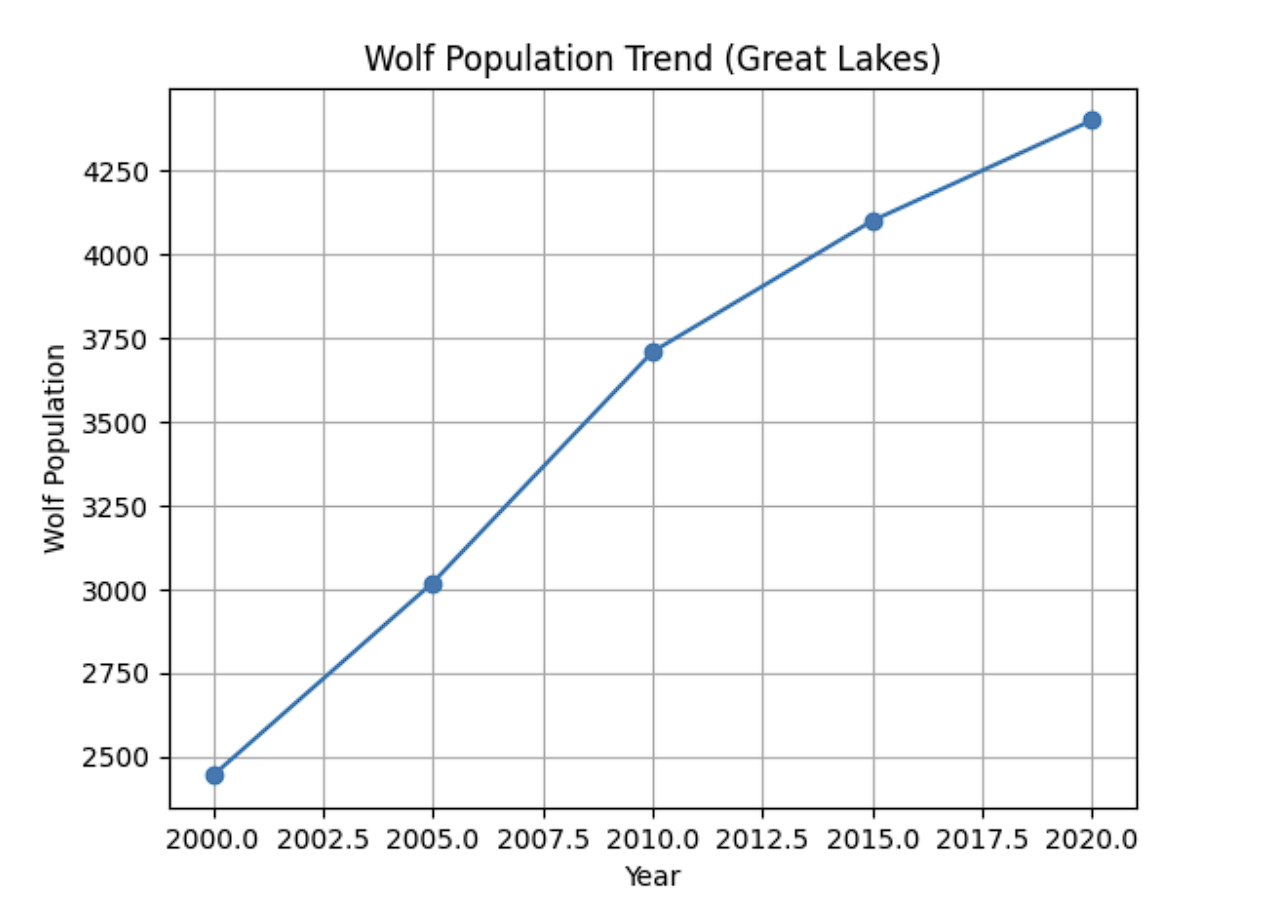
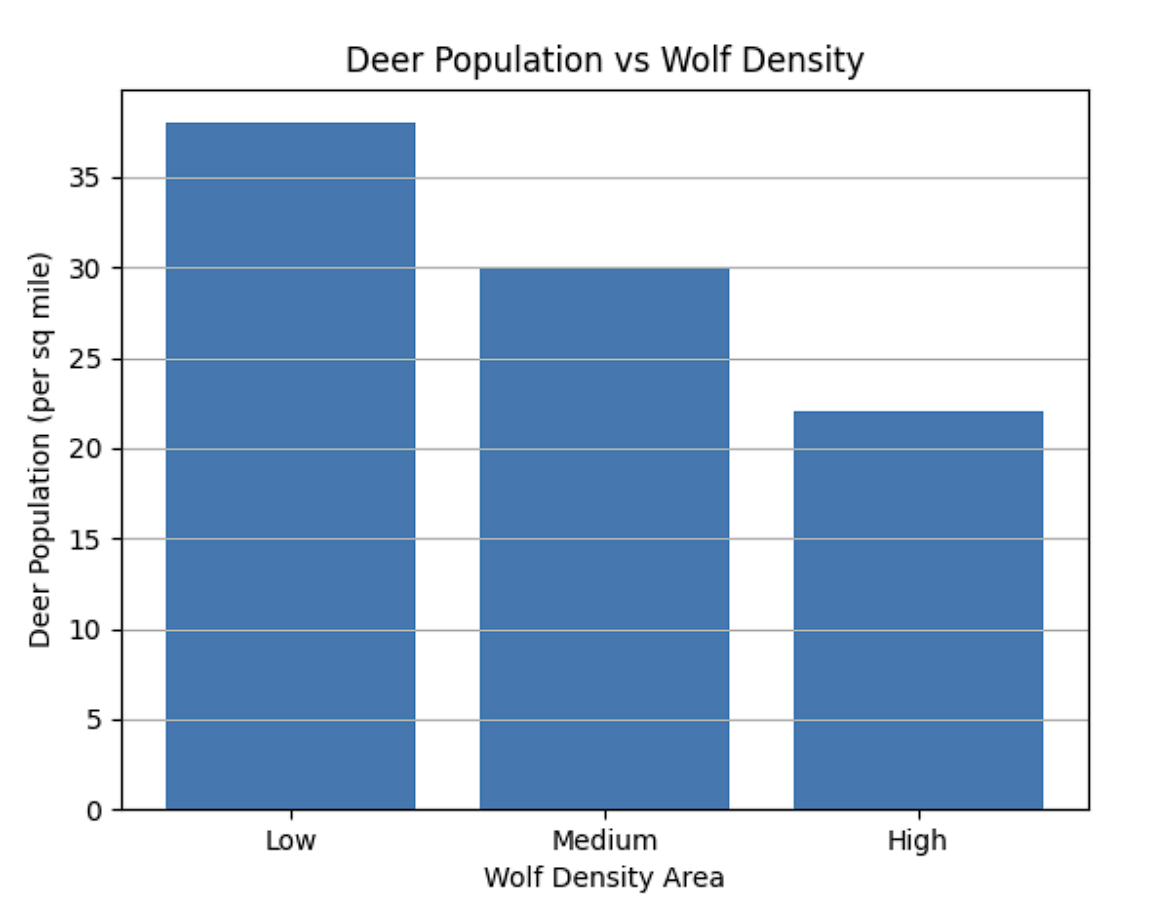
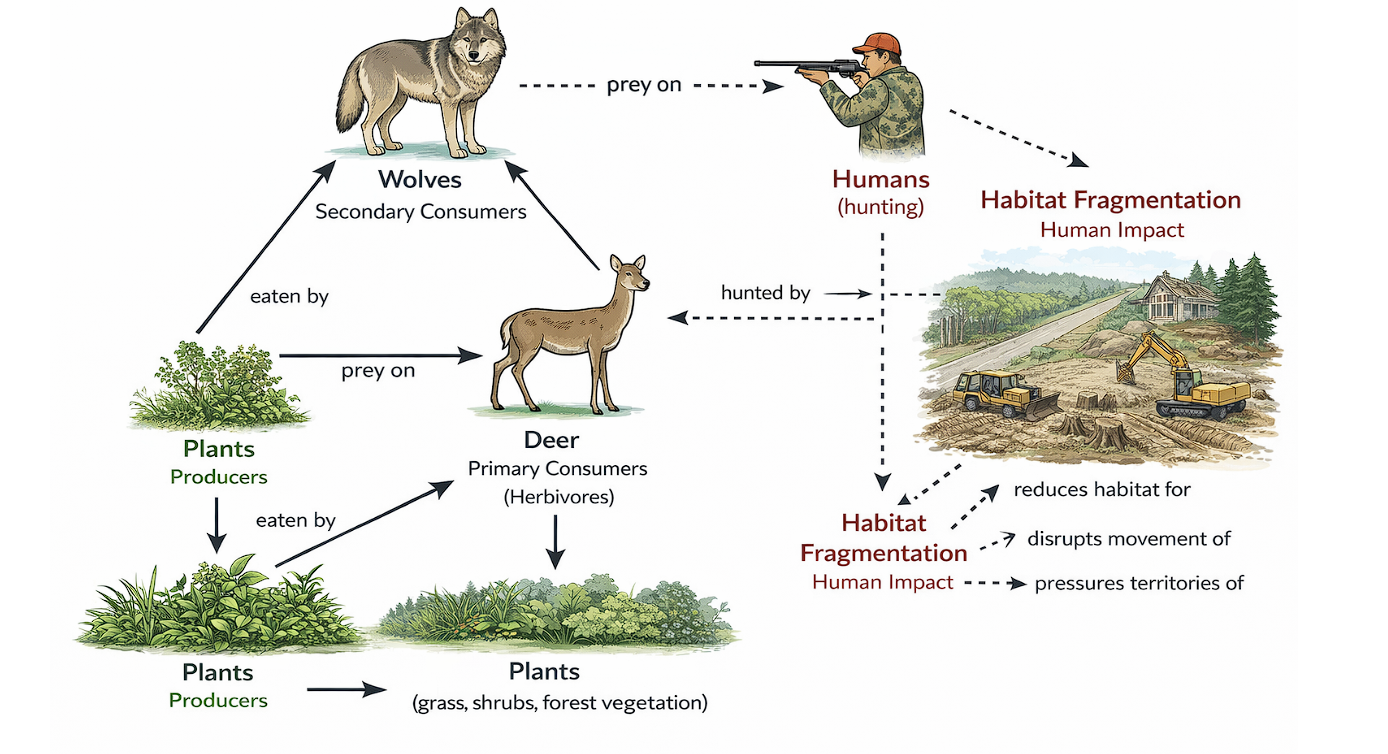
In the Great Lakes region, forests, wetlands, roads, farms, and towns overlap with habitat used by wolves and deer. When development breaks large habitats into smaller patches, deer often concentrate near yards, roads, and forest edges, while wolves must travel farther through risky human spaces to hunt and maintain territories.
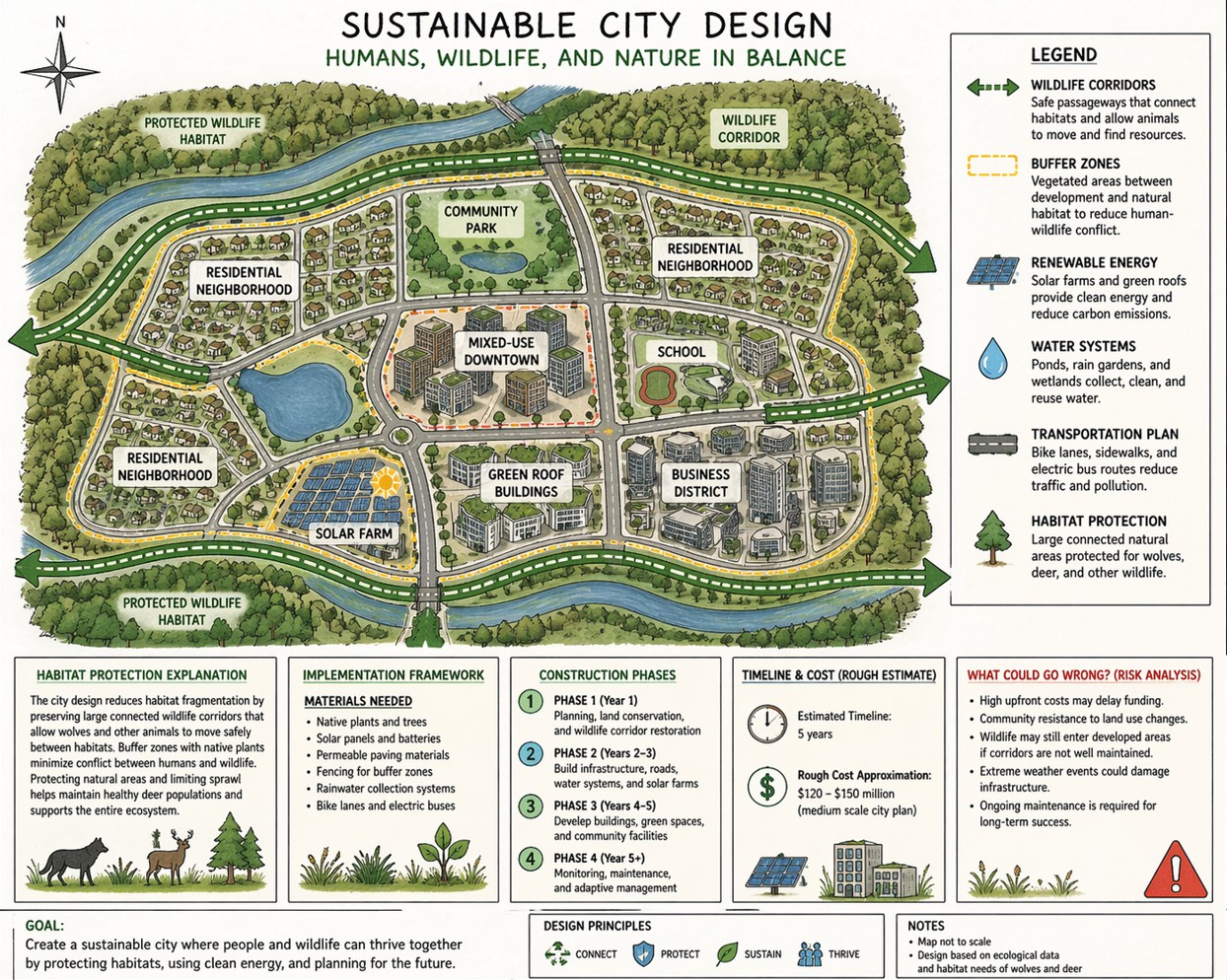
This creates more wolf-deer conflict and more human impact: vehicle collisions, pressure on native plants from high deer density, possible wolf-human encounters, and weaker connections between wildlife populations. A sustainable city can reduce these effects by protecting core habitat while guiding development into less sensitive areas.